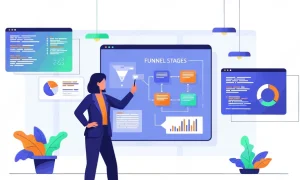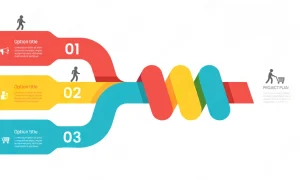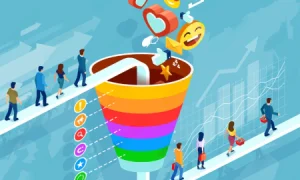
We analyze, restructure, and optimize your entire sales funnel to remove friction, fix drop-offs, and increase conversions at every stage. From first click to final handoff, we turn underperforming funnels into revenue-generating systems.


Sales Funnel Optimization is built for businesses that are already generating traffic or leads but struggle to convert them consistently. This service focuses on identifying breakdowns between interest and action, improving conversion quality, and creating predictable outcomes across the entire funnel.
Most sales funnels are built in fragments. Traffic is generated, pages are launched, and follow-ups are added later, without a clear system connecting each stage. This creates friction, confusion, and drop-offs that directly impact conversion rates and revenue.
Sales Funnel Optimization follows a systematic process designed to identify leaks, remove friction, and improve conversion efficiency at every stage. Each step is tied to measurable outcomes so performance improvements are visible, trackable, and repeatable.
Every stage of the funnel is analyzed to identify where prospects disengage, lose intent, or fail to convert, establishing a clear baseline for improvement.
Messaging across ads, pages, and sales touchpoints is aligned to buyer intent, objections, and decision stages.
Forms, page structure, CTAs, and user flow are optimized to reduce friction and guide prospects toward action.
Lead qualification logic and sales handoff processes are refined to ensure only high-intent prospects reach the sales team.
A/B testing and performance tracking are used to refine funnel elements based on real data, not assumptions.
Most funnel improvements fail because they focus on individual elements rather than the entire conversion system. This approach treats the funnel as a connected journey, ensuring every optimization contributes to higher conversion quality, better sales alignment, and measurable revenue impact.
Why That Fails:
Optimizing a single page without addressing traffic intent, follow-ups, or sales handoff leads to short-term gains and long-term stagnation.
Why This Works Better:
The entire funnel is optimized end-to-end, ensuring improvements compound across every stage of the buyer journey.
Why That Fails:
Random testing focuses on minor changes without addressing core buyer objections or funnel structure issues.
Why This Works Better:
Every test is driven by data, buyer behavior, and clear hypotheses tied to conversion and revenue outcomes.
Why That Fails:
Increasing ad spend on an inefficient funnel amplifies losses and raises acquisition costs.
Why This Works Better:
Funnels are optimized first, so additional traffic converts more efficiently and profitably.
Why That Fails:
Templates and tools do not account for unique buyer psychology, offer complexity, or sales processes.
Why This Works Better:
Optimization is customized to the specific business model, audience, and buying journey.
Why That Fails:
Relying solely on sales teams to improve conversion ignores upstream funnel issues that reduce lead quality.
Why This Works Better:
Marketing and sales are aligned through the funnel, improving lead quality before human interaction begins.
These are the questions we hear most from founders and growth teams before working with us.
If you’re looking for predictable growth, not guesswork, start here.
Initial improvements are typically visible within 2–4 weeks once key friction points are fixed. Meaningful revenue impact is usually seen within 30–60 days as optimized flows and messaging compound over time.
Not always. In many cases, performance improves by restructuring flow, refining messaging, and fixing handoffs rather than rebuilding everything from scratch. Redesigns are recommended only when necessary.
Yes. The process starts by aligning current traffic and campaigns with the optimized funnel, ensuring better conversion efficiency without immediately increasing ad spend.
Success is measured through conversion rates, lead quality, progression between funnel stages, close rates, and overall revenue efficiency, not just clicks or form fills.
The focus is on improving lead quality first. Better qualification, clearer messaging, and stronger intent alignment naturally improve both quality and conversion outcomes.
The funnel is structured so marketing pre-qualifies intent and sets expectations before leads reach sales, resulting in more productive conversations and higher close rates.
Yes. Funnel optimization is especially effective for high-ticket and multi-step buying journeys where trust, clarity, and timing play a critical role in conversion.
Yes. Buyer behavior, offers, and traffic sources evolve over time. Continuous monitoring and iterative improvements ensure sustained performance and long-term revenue growth.